Menu
Close



After Lixia, light begins to diffuse.
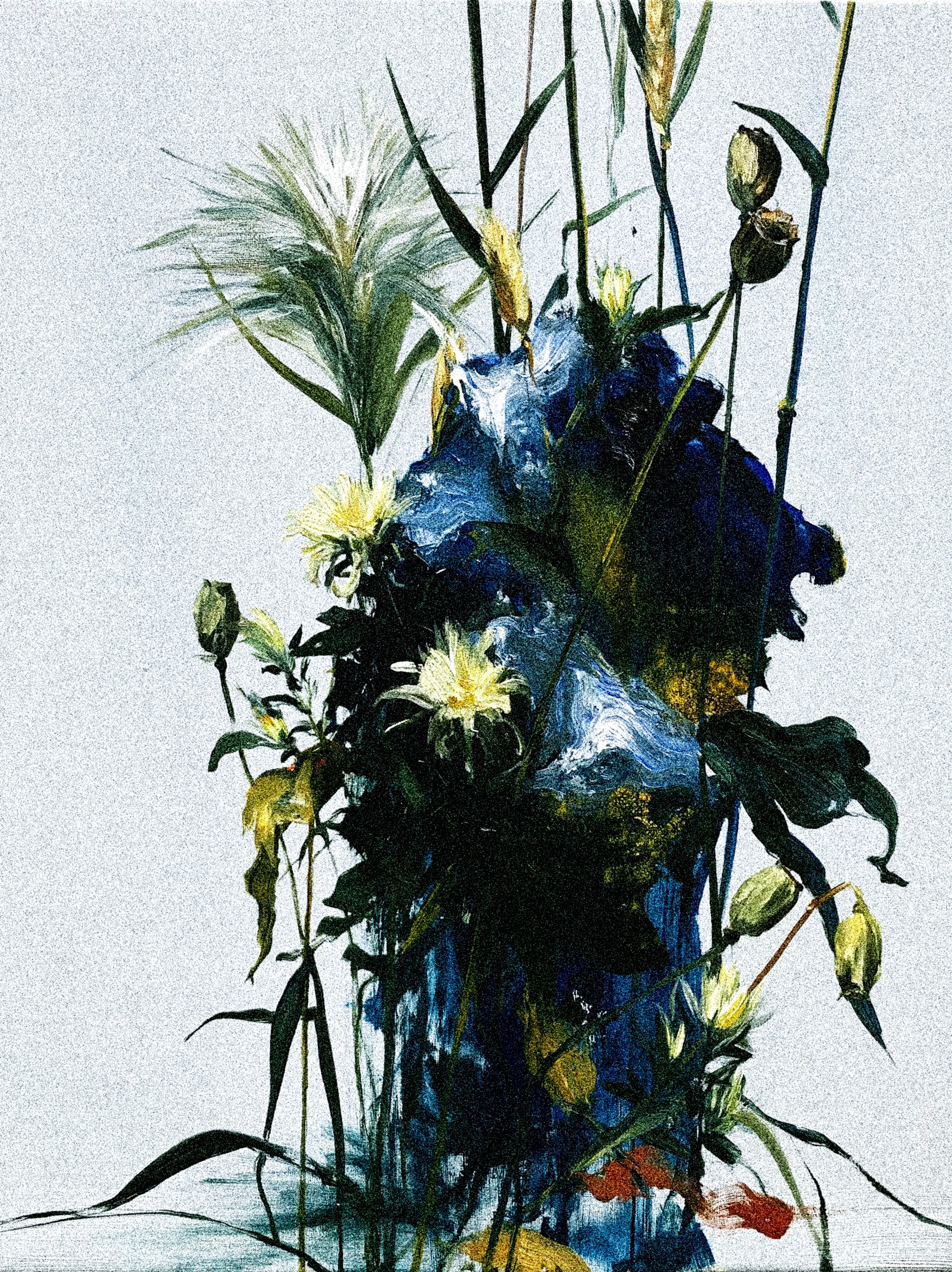
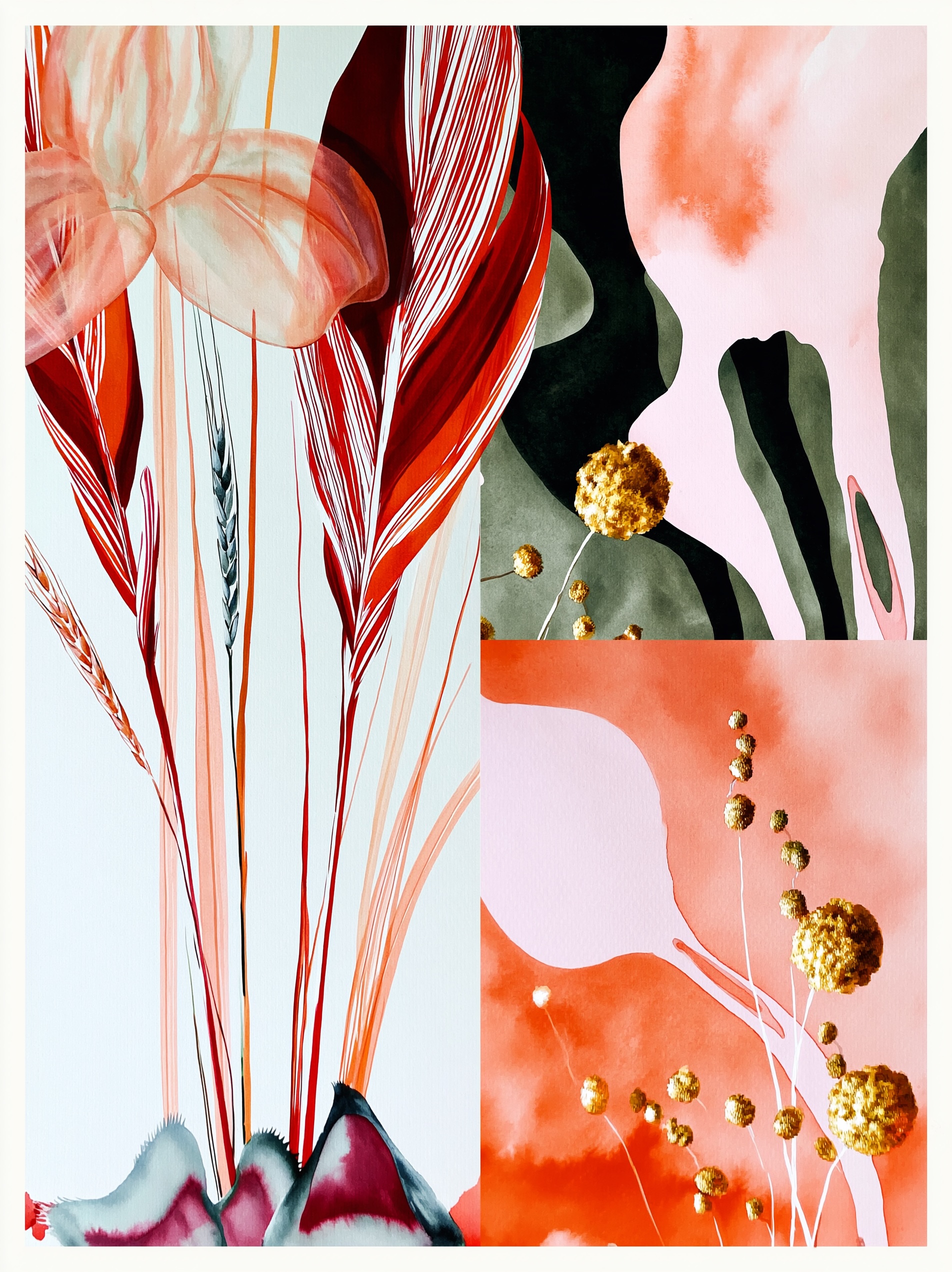
It no longer rests lightly on the surface of leaves, but moves along veins, awns, and the thickening air, slowly settling into all things. Petals still carry the softness of spring, yet open further within the rising humidity. Beneath the soil, what was stirred during Qingming begins to draw closer to the surface again—guided by roots, rain, and light.
Xiaoman is not fullness, but the moment before it. The rice has not yet bowed, the fruit has not yet grown heavy. Everything remains suspended in the process of becoming. For this reason, it feels closest to life itself: in the steady warmth of each day, weight gathers quietly. We move in much the same way. What we carry—memory, labor, attachment—does not resolve at once. It stays within us, like a grain not yet filled, waiting for time to complete it.
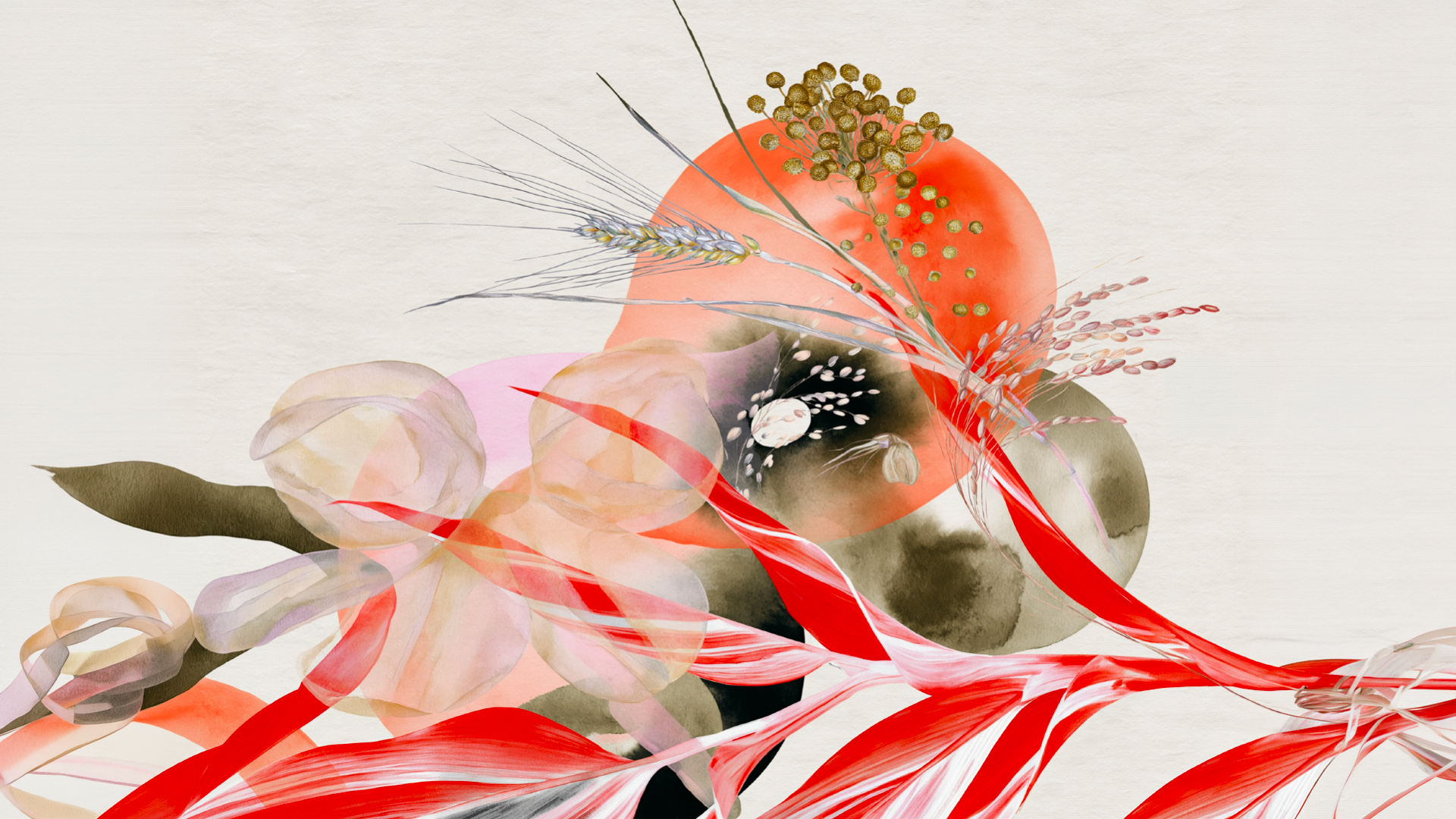
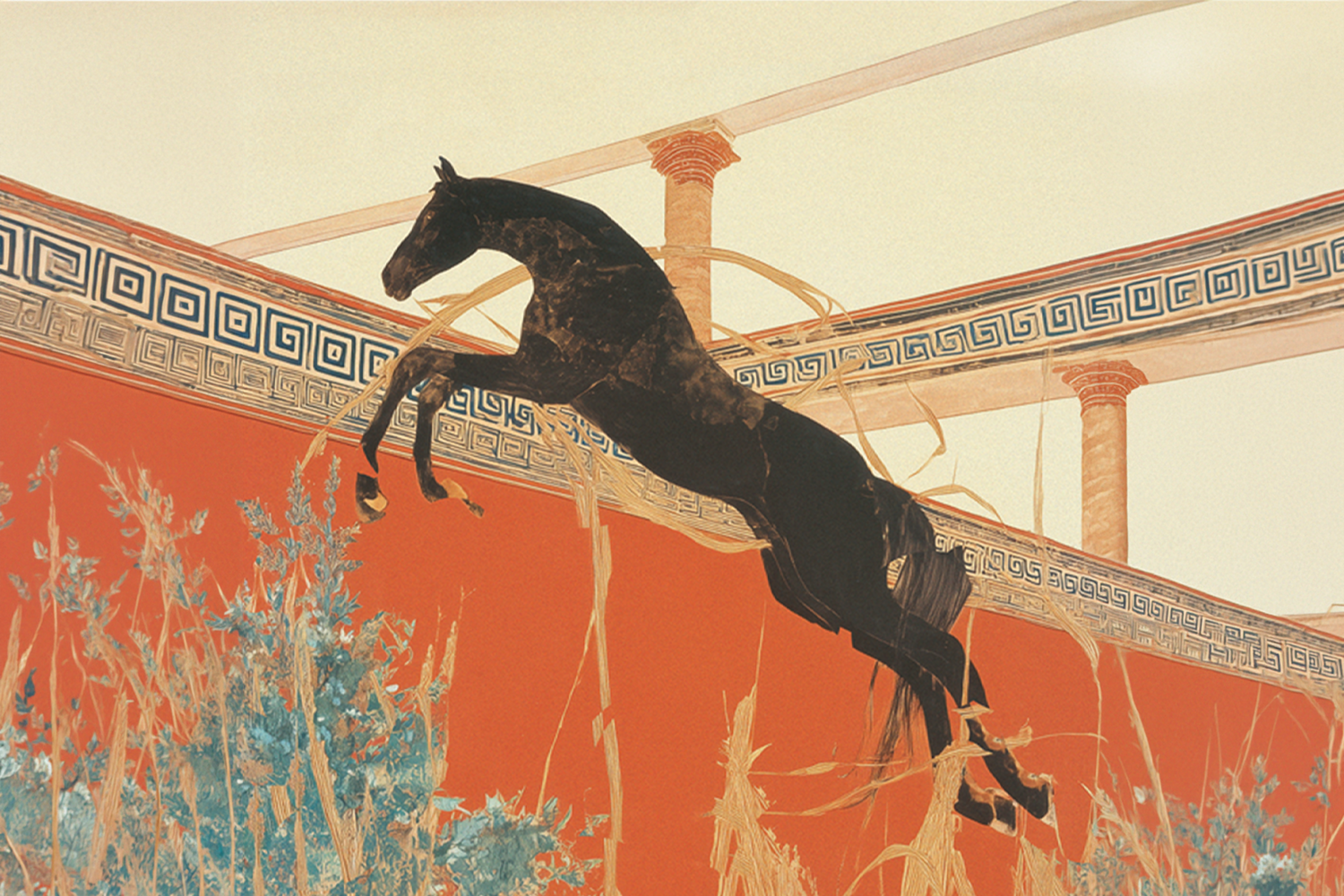
By Mangzhong, the fields begin to take on clearer lines. Awned grains rise—fine, sharp, deliberate—like strokes drawn across the land. People bend, sow, tend the water, returning their bodies to the rhythm of the ground. What spring has left behind does not disappear. It is folded into the work, becoming part of each gesture—each bend, each tending, each pause. Growth is no longer only natural; it becomes a form of carrying forward: of those who are gone, of what remains unfinished, and of the simple fact that life continues.
At Xiazhi, daylight reaches its longest span. Light falls deeper, more directly. Gold in the grain, red in the veins, green in shadow—all come into view, as if time has brought its inner weight to the surface. Yet this is not only a peak. It is also a turning. When light extends to its furthest point, shadow has already begun to gather elsewhere.
May is not simply abundance. It is a passage shaped by moisture, expansion, sowing, and light. It reminds us that continuation is not always bright or effortless. After turning back toward our origins in Qingming, we face the light again after Lixia. What is buried becomes not only memory, but nourishment. Those who remain are not only keepers of the past, but carriers of what comes next.
In the field that is not yet full, grain forms slowly. Leaves and petals extend in the humid air. Light passes through what remains unfinished. And so, what we carry is no longer held only in soil or in objects—it moves through each act of growth, becoming part of how we continue.